As graduation approaches, three graduating RSEi members, Zoe Puno, Rowan Harbin, and Junning Sun, are closing out their time at RPI by developing DeskPal, an interactive productivity companion created through Inventor’s Studio 2 to explore how physical products can better support focus, engagement, and daily workflow.
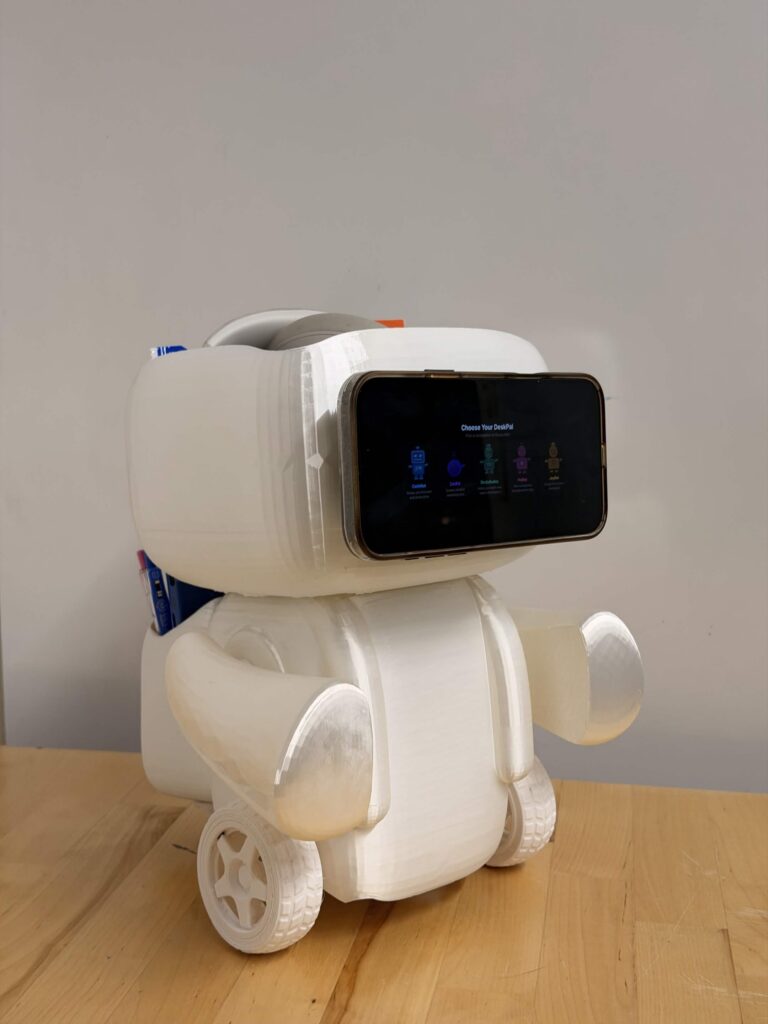
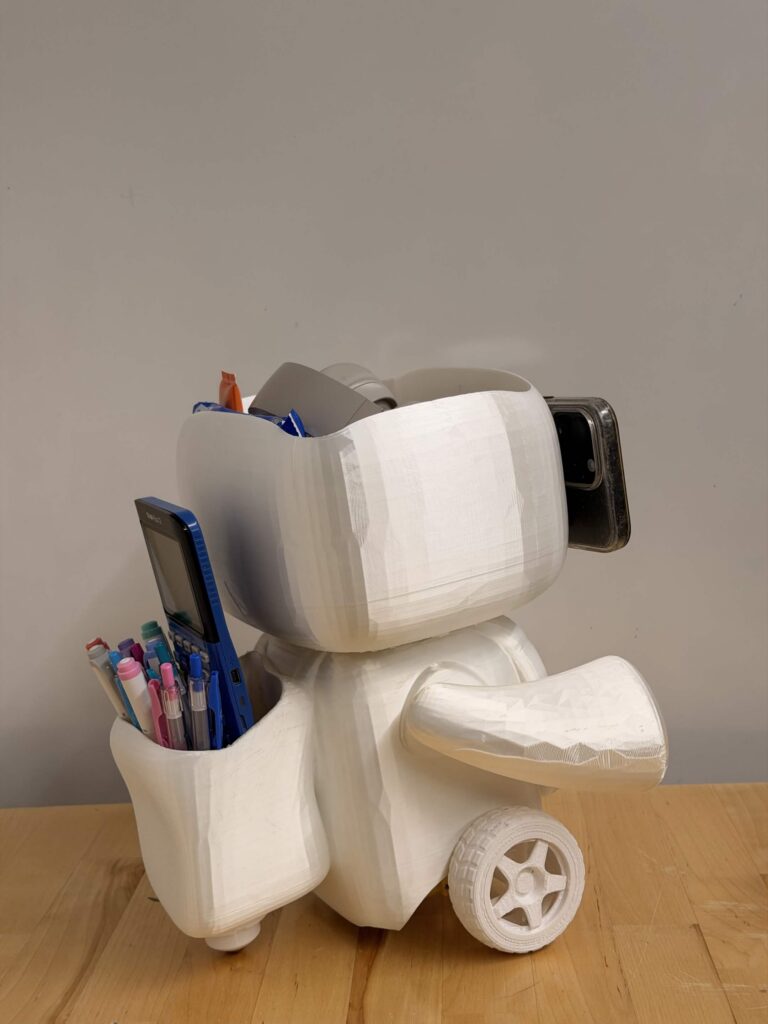
DeskPal is a small robotic desk companion integrated with a mobile application. Rather than functioning as another screen-based productivity tool, it brings workflow into the physical workspace through motion, personality, task timers, progress rewards, break reminders, and expressive feedback. As Junning explains, “It’s not just about building a productivity tool. It’s about designing a better everyday experience for people who spend long hours working at a desk. That starts with workplace tools that have personality.” Each member brought a different strength to the project: Zoe led front-end form development, physical prototyping, CAD modeling, and presentation design; Rowan developed the mechanical subsystem and internal chassis; and Junning led the UX/UI software and app development.
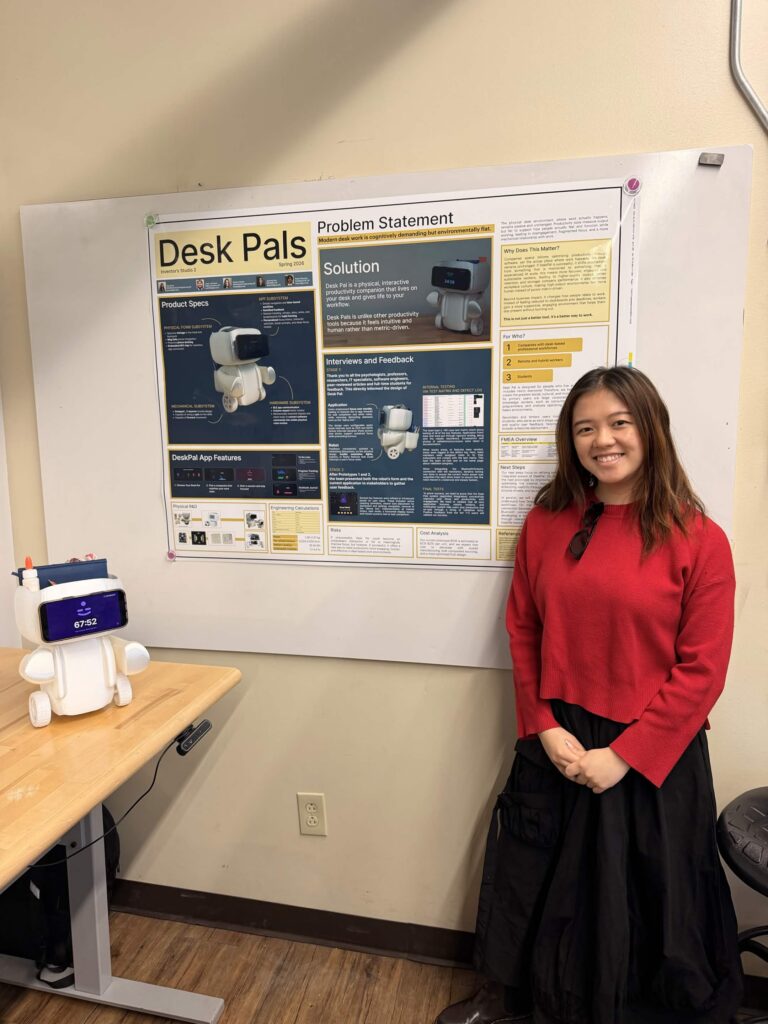
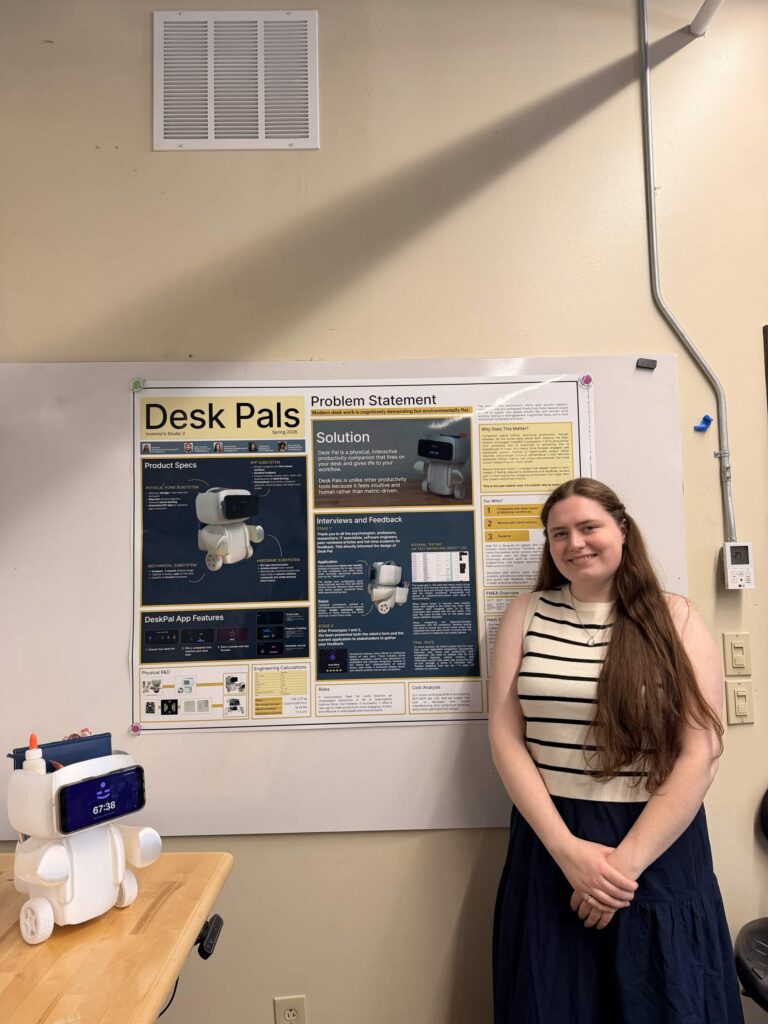
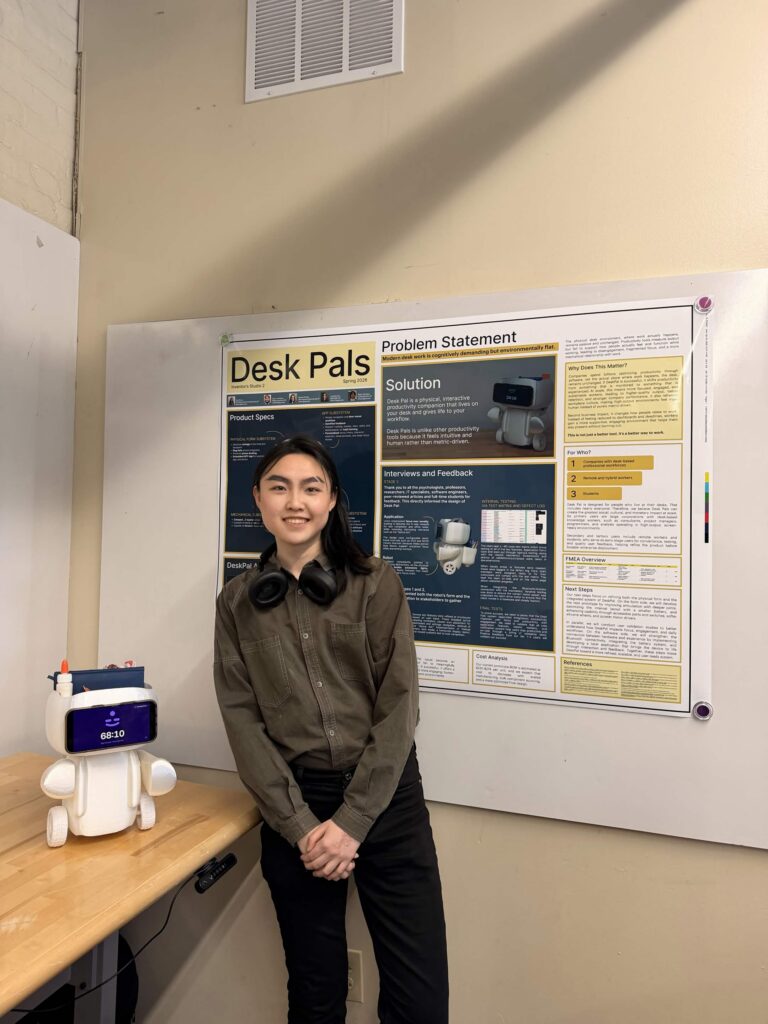
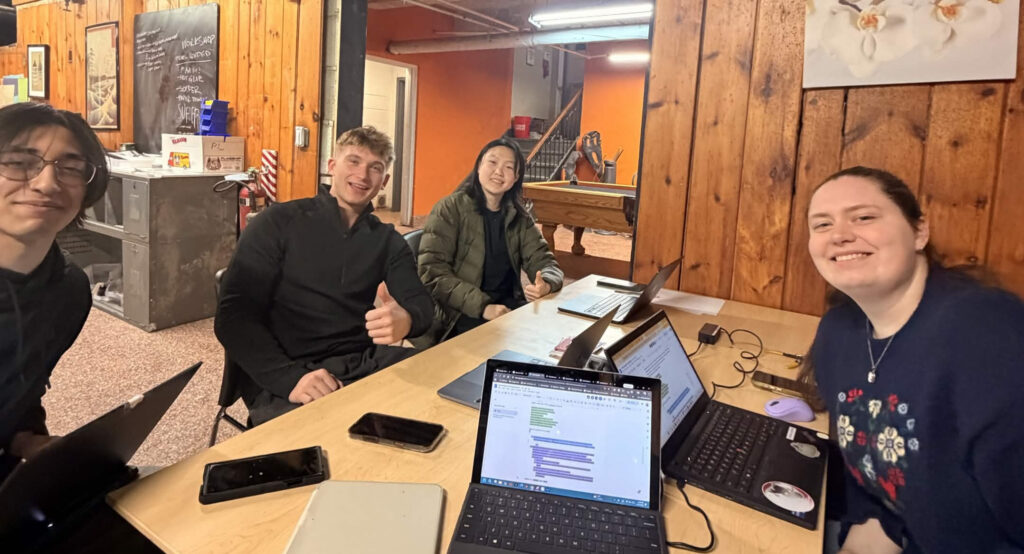
For Zoe, building the team felt natural. “Some of the most talented engineers I know are my fellow RSEi friends. We work so well together because of this organization, and it became such an exciting opportunity to show what is possible when multidisciplinary majors collaborate to build something.”
That synergy quickly became one of the project’s greatest strengths. In just six weeks, the team moved from rough concept sketches and clay models to a fully functioning prototype that combined industrial design, robotics, Arduino integration, Bluetooth communication, app development, and user validation. The final DeskPal prototype features a wheeled robotic body, integrated storage compartments, a MagSafe phone dock that transforms the user’s phone into DeskPal’s digital “face,” and a companion app complete with multiple productivity modes and character-based interfaces. Much of the physical prototyping took place in the RSEi workshop, and all final parts of the prototype shell were printed on RSEi printers, making the project an exciting example of the organization’s hands-on maker culture in action.
0 Comments