This September, four student members of our organization flew out to Black Rock Desert in Nevada to attend ‘BALLS 33’, the largest experimental rocket launch worldwide. Trey Penman, John Cornachia, Sawyer Shaw, and Gray Chen, members of the solid rocket propellant known as the Ascendant Research Group, kicked off their 2025-2026 series of motor test campaigns with some personal rocketry projects. The research team brought a total of four projects to fly in Nevada. Two notable rockets engineered by our RSEi students included a two-stage rocket serving as a subscale of the team’s spaceshot project and a 54 mm diameter rocket designed solely for a wild acceleration.
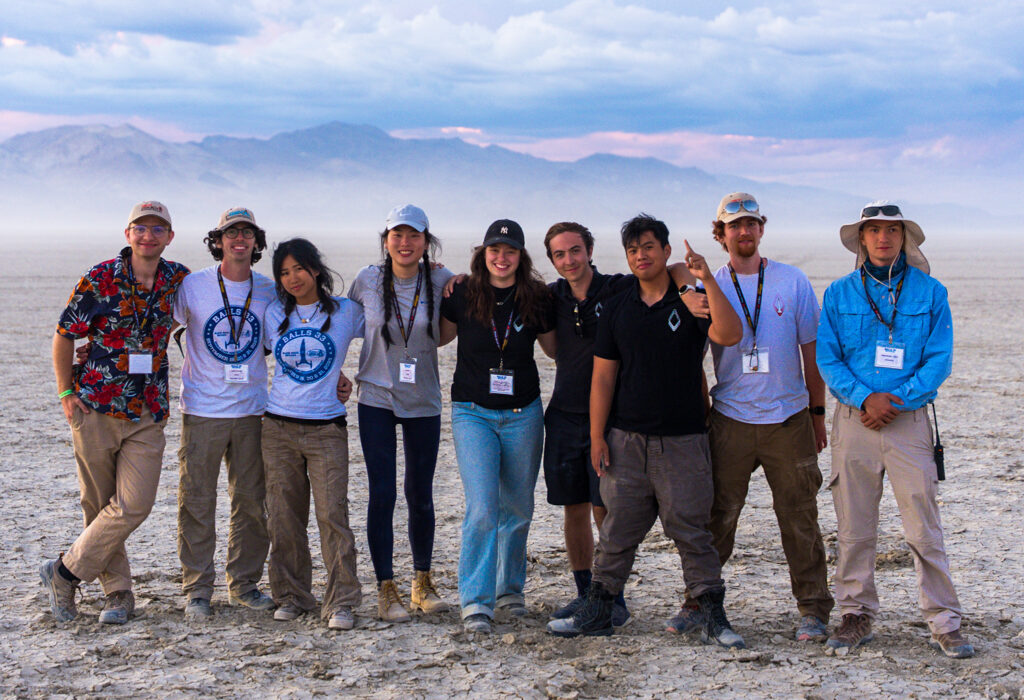
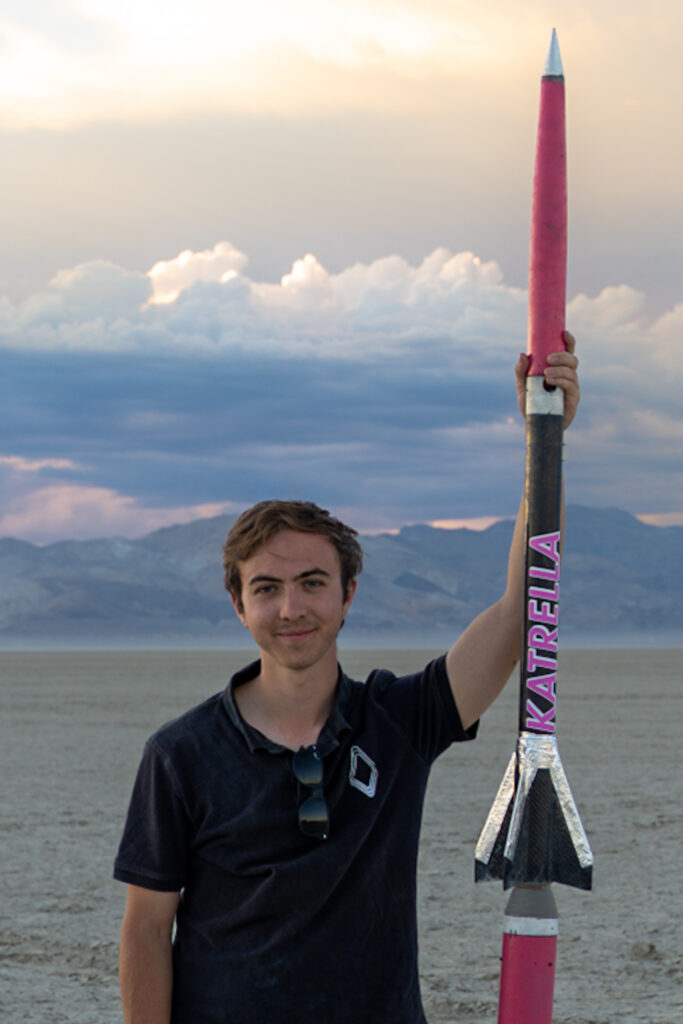
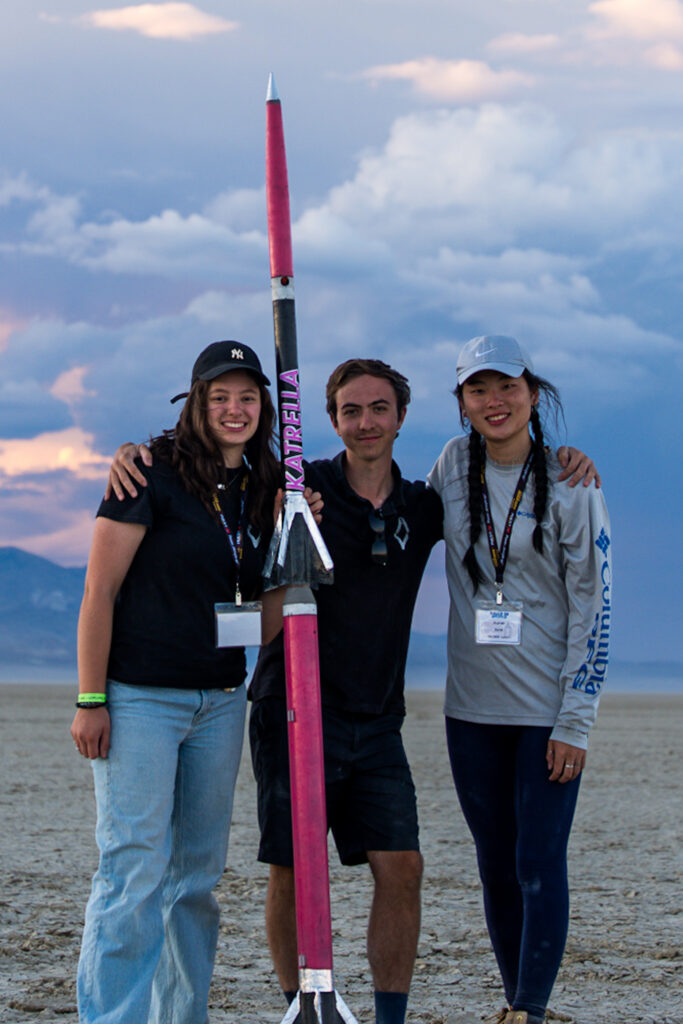
Trey Penman ‘27 worked alongside research members Kate Morgan and Ella Wu to design KATRELLA, a two-stage vehicle flown on commercial-off-the shelf motors. This rocket aimed to be a test of one of the spaceshot’s most crucial components, its interstage coupler. Specifically, it was a test of the booster-sustainer staging sequence and the autonomous ignition of the sustainer’s motor. Due to the fact that Trey’s peers had to fly back to Troy for school, the full-stack could not be launched together. The sustainer was flown independently, and although it only reached 700ft, its startup was a successful ignition test.
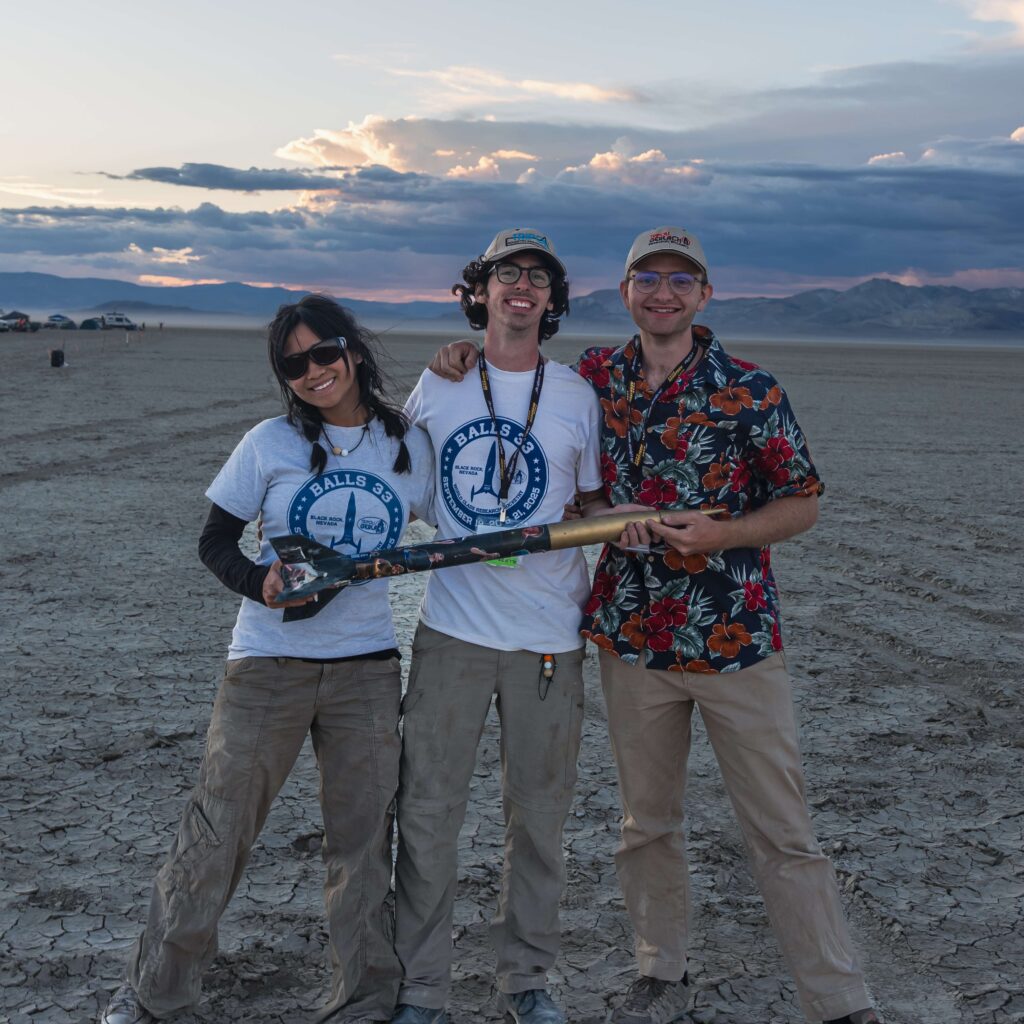
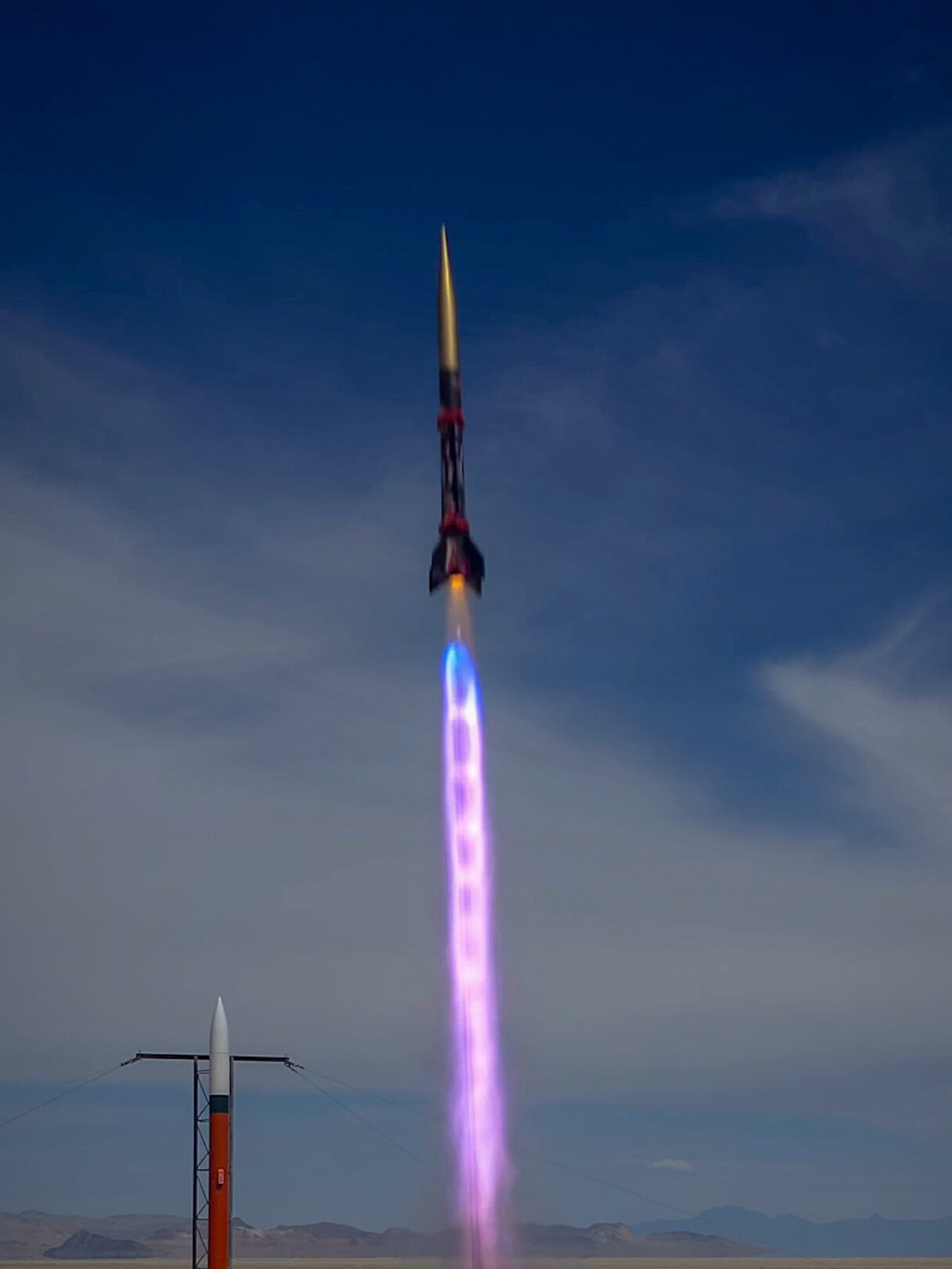
Meanwhile, John Cornachia ‘27, Sawyer Shaw ‘28, and Gray Chen ‘28 designed a small but powerful rocket dedicated to their friend Constantine Childs, a member of the research group and a recent RPI graduate. Similar to the two-stage project, this black and gold rocket was constructed from a custom carbon fiber motor case. It flew on an experimental research motor using the team’s fast-burning propellant, dubbed Speedy Smurf, designed by team member Rowan Jordan. Flight data reports that the rocket pulled 100 Gs of sustained acceleration during its 0.65 second burn, and reached a peak velocity of Mach 1.7. After successfully going supersonic, the trio recovered their rocket fully intact using a radio beacon.
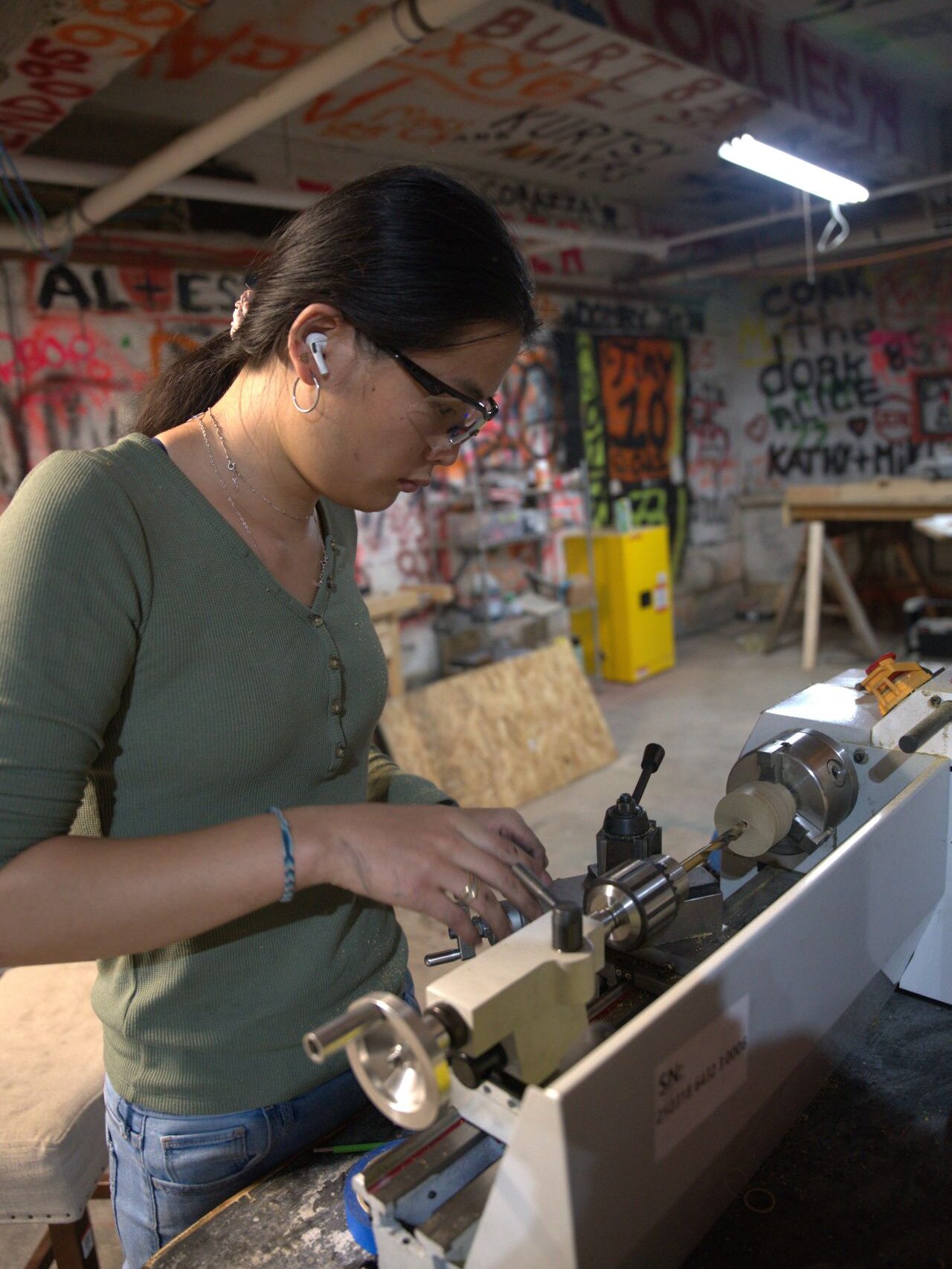
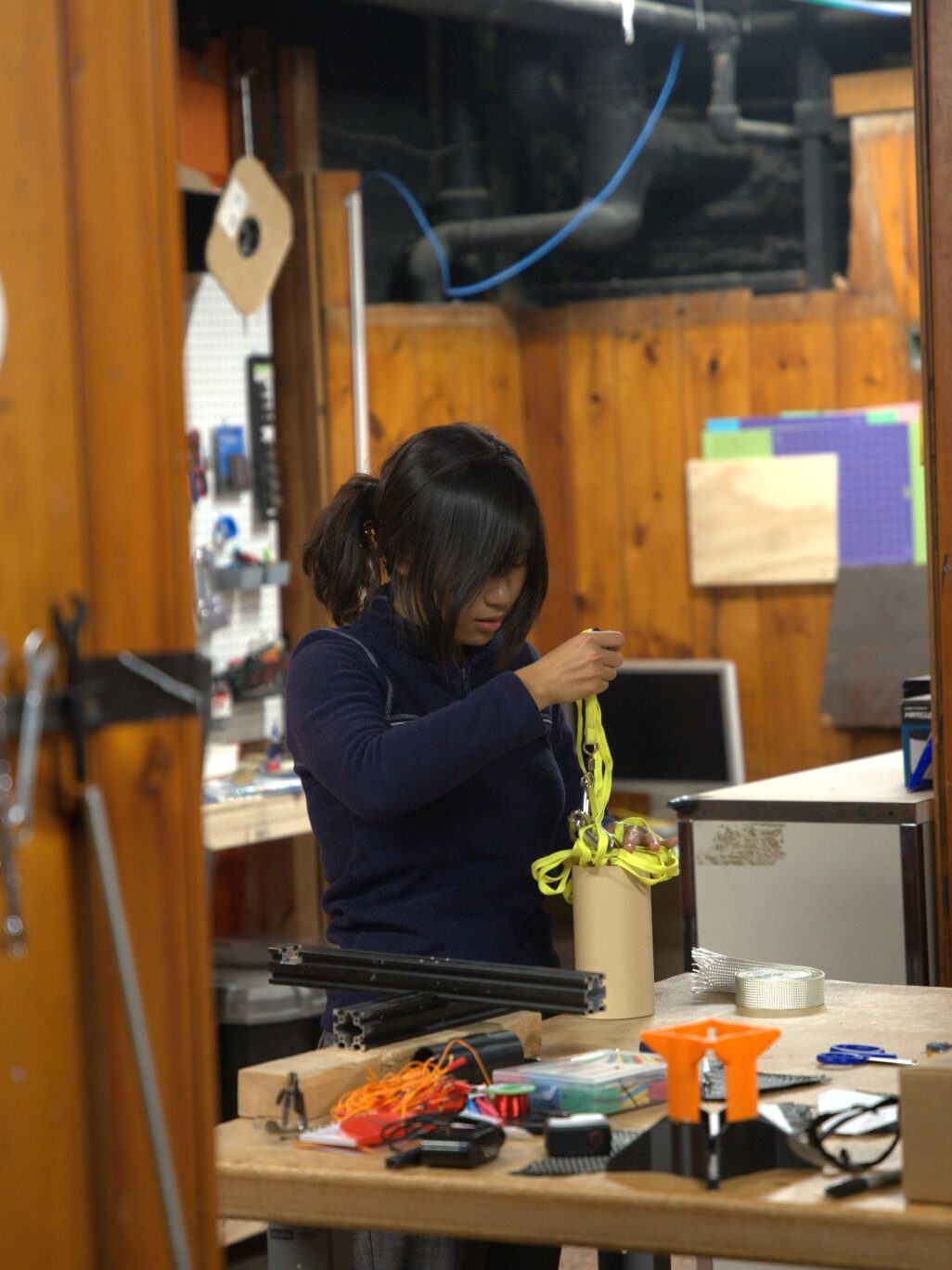
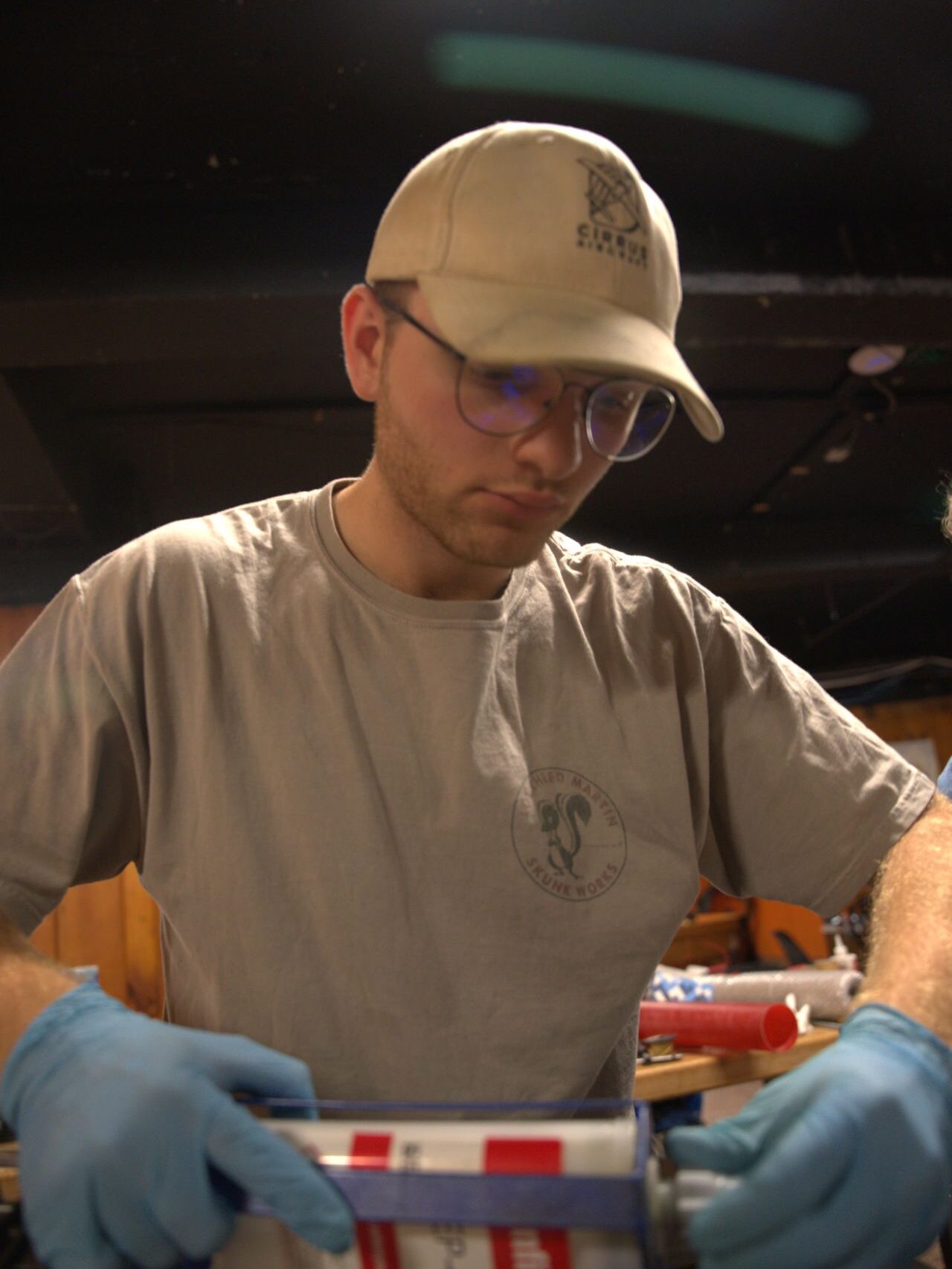
The Ascendants research team regularly utilizes RSEi’s workshop and third cellar as dedicated spaces for rocket construction, testing preparation, and collaborative design work. These facilities provide the team with the tools, storage, and workspace needed to safely manufacture components, assemble vehicles, and iterate on designs throughout the year. By offering accessible, hands-on building spaces, RSEi supports the Ascendants’ ability to conduct ambitious experimental rocketry projects and apply classroom knowledge to real-world engineering challenges.
0 Comments